



Three days, four cities and countless stops along the way. We set out on a fast-paced road trip through Adana, Gaziantep and Şanlıurfa, making the most of every hour.
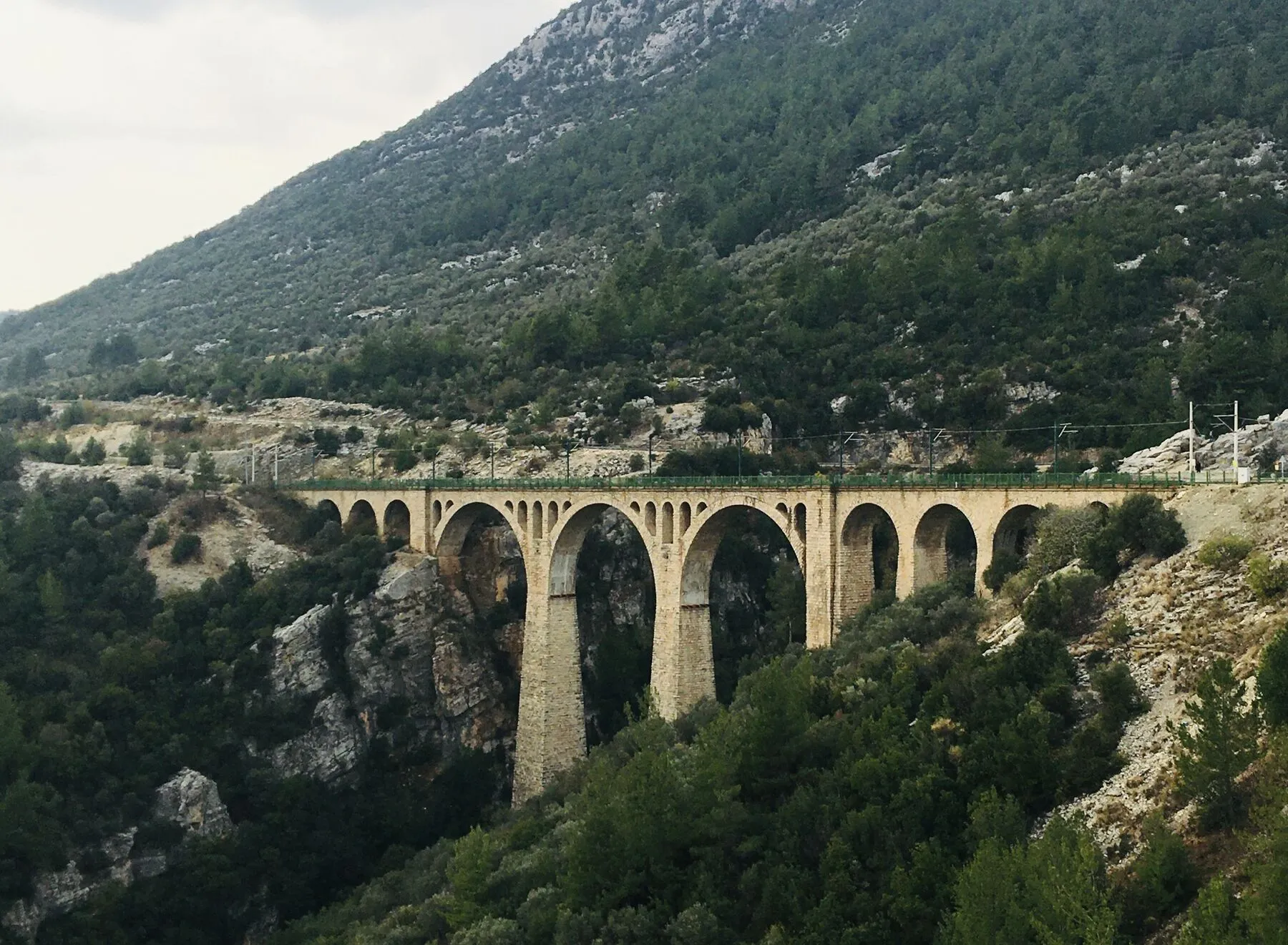
The journey began even before we reached Adana, with the impressive silhouette of Varda Bridge rising above the Çakıt Valley. From there, the route took us all the way to Göbeklitepe, often described as the world’s oldest known monumental religious site, and to the stunning Roman mosaics of Zeugma.
This article serves as an overview of the entire route. Throughout the guide, you’ll also find links to our more detailed travel posts covering Adana, Gaziantep and Şanlıurfa.
If you’re wondering whether it’s really possible to see so much in just three days, this guide should help. I’ll share our route, transportation choices, accommodation strategy, practical tips and the places that stood out the most along the way.
Let’s hit the road.
🧭 Trip Planning and Practical Information
Before this trip, we had plenty of questions ourselves. Where should we stay? How long are the drives between cities? Does it make sense to use a single hotel as a base and take day trips from there?
The notes below are based entirely on our own experience and may help if you’re planning a similar route.
🏨 Where We Stayed
For this trip, we chose Gaziantep as our base and built the entire itinerary around it. After spending our first day in Adana, we drove to Gaziantep and stayed there for the following two nights. Şanlıurfa was visited as a day trip.
Our hotel was the Tourism Practice Hotel located near the Gaziantep University campus. It sits a little outside the city center, but we found it clean, comfortable and very affordable. The breakfast was decent as well.
Another advantage is its location right next to Gaziantep Zoo. If you’re planning to include the zoo in your itinerary—which would require at least half a day—this can be a very convenient place to stay.
🚗 Getting Around
One of the biggest advantages of this route is how easy the transportation is. Adana, Gaziantep and Şanlıurfa are connected by modern highways, and driving between them is straightforward.
The drive from Gaziantep to Şanlıurfa takes around two hours, while Adana to Gaziantep usually takes between two and two and a half hours.
We completed the trip with our own car, but flying into Gaziantep and renting a car would work just as well. In fact, using Gaziantep as a base and visiting Adana and Şanlıurfa on separate days is probably the most practical way to experience this route.
For parking, we generally used paid parking lots in the city centers. Finding parking near Balıklıgöl in Şanlıurfa or around the bazaars in Gaziantep was usually not a problem.
ℹ️ Practical Tips
We made this trip during the mid-year school holiday period in winter.
Adana and Şanlıurfa were surprisingly mild and pleasant, while Gaziantep was slightly cooler but never uncomfortably cold.
According to locals we spoke with, Adana and Şanlıurfa enjoy relatively mild weather for much of the year. Summer is a different story, however. Temperatures in Şanlıurfa can become extremely high, so planning outdoor visits early in the morning is highly recommended during the hotter months.
📍 Day 1 — Adana
The first stop on our Southeastern Türkiye road trip was Adana.
Before even reaching the city, we made a detour to Varda Bridge. Made famous internationally by the James Bond film Skyfall, this massive stone railway bridge spans the dramatic Çakıt Valley and immediately set the tone for the trip. Standing beneath it and looking up at the enormous structure was an impressive way to begin our journey.
Once in Adana, we spent the day exploring both the city’s historic landmarks and its modern side. We wandered between Taşköprü (the Stone Bridge), Sabancı Central Mosque, the Great Clock Tower and the historic bazaars, then took a walk along the banks of the Seyhan River. And of course, no visit to Adana would be complete without trying the city’s most famous culinary export: Adana kebab.

If you’d like a more detailed look at Adana’s attractions, local food and practical travel tips, you can find everything in our dedicated guide below:
→ One Day in Adana: From Varda Bridge to the Seyhan River — Follow our complete Adana itinerary, including the places we visited, what we ate, and practical tips from our trip.
For this article, however, we’ll stick to the broader route and keep moving.
As night fell, we said goodbye to Adana and hit the road for Gaziantep. After a comfortable drive of around two to two and a half hours, we arrived at our hotel at about 9:30 PM, ready for the next stage of our Southeastern Türkiye adventure.
📍 Day 2 — Şanlıurfa
We started the day with breakfast at our hotel in Gaziantep before setting off early for Şanlıurfa, the main focus of today’s itinerary.
Our first stop was Göbeklitepe, a site that has challenged long-held assumptions about the origins of civilization. Often referred to as the “zero point of history,” this remarkable archaeological site was one of the places we were most excited to visit. After exploring Göbeklitepe, we continued to Harran, where we visited the region’s iconic beehive-shaped mud-brick houses.

Later in the afternoon, we returned to the center of Şanlıurfa. We visited the Shrine of Prophet Job, spent time around Balıklıgöl and Ayn Zeliha Lake, wandered through the historic bazaars and immersed ourselves in the unique atmosphere of the city. We ended the day listening to the evening call to prayer beside Balıklıgöl, one of the most memorable moments of the trip.

You can find the full story of our day in Şanlıurfa, along with practical tips and detailed information, in the guide below:
→ One Day in Şanlıurfa: From Göbeklitepe to Balıklıgöl — Follow our day through Göbeklitepe, Harran, Balıklıgöl, the historic bazaars, and the other places we visited in Şanlıurfa.
🍲 Late-Night Beyran Back in Gaziantep
After our evening at Balıklıgöl, we drove back to Gaziantep, a journey of roughly two to two and a half hours.
By the time we arrived, it was approaching 10 PM. After a short break at the hotel, we decided to finish the day with one of Gaziantep’s most famous local dishes: beyran.
Traditionally, beyran is eaten for breakfast. In fact, many locals start their day with a steaming bowl of it. Fortunately for visitors, it’s also available later in the day.
Rich, warming and packed with flavor, it was exactly what we needed after such a long day on the road. With that final meal, our Şanlıurfa adventure came to an end, and we headed back to the hotel to rest before our full day in Gaziantep.
📍Day 3 — Gaziantep
We dedicated the final full day of our trip to Gaziantep.
To be honest, before arriving, food was what we were most excited about. By the end of the day, however, we realized that Gaziantep stands out not only for its cuisine but also for its history, culture and vibrant city life.
We started the morning at the Zeugma Mosaic Museum, home to some of the finest Roman mosaics in the world. From there, we headed into the historic bazaar district, where we spent several hours wandering through the narrow streets and soaking up the atmosphere of daily life in the city.

Around the Bedesten area, we sampled Gaziantep’s famous katmer, stopped for a cup of menengiç coffee at the historic Tahmis Coffee House and explored the city’s traditional markets. Later in the day, we visited the Şahinbey National Resistance Museum, which tells the story of Antep’s struggle during the Turkish War of Independence.
We wrapped up the evening at İmam Çağdaş, one of the city’s most famous restaurants, before returning to the hotel for our final night on the trip.
You can find the full story of our day in Gaziantep, along with detailed recommendations and practical tips, in the guide below:
→ One Day in Gaziantep: History, Food and Historic Bazaars — Explore our complete Gaziantep itinerary, including Zeugma Mosaic Museum, the historic bazaars, local food stops, and our practical tips.
📍 Bonus Stop — Tarsus on the Way Back
On our final morning, we said goodbye to Gaziantep and started driving west. Rather than treating the journey home as just another long drive, we decided to make one last stop and explore Tarsus along the way.
After roughly two hours on the road, we arrived in Tarsus. Before heading into the city center, we visited one of the region’s most important religious sites: the Cave of the Seven Sleepers.
🕯️ Eshab-ı Kehf Mağarası (Yedi Uyurlar)
The story of the Seven Sleepers is one of the best-known religious legends shared across Islamic, Christian and Jewish traditions. Because of this, the cave in Tarsus has been an important pilgrimage and visitation site for centuries.
This is not the kind of cave you visit for dramatic rock formations or giant stalactites. Instead, it feels more like a simple stone refuge, with low ceilings and narrow passages. Its significance comes from the story associated with it rather than its natural beauty.
The site also attracts many people seeking healing or spiritual comfort. Given its place within the Abrahamic traditions, it remains an important destination for visitors of different faiths.
Tarsus itself also holds a special place in Christian history. It is traditionally believed to be the birthplace of Saint Paul, one of the most influential figures in early Christianity, making the city particularly meaningful for Christian visitors.
Allow around 20–30 minutes to explore the cave and take a short walk around the surrounding complex.
🥣 Humusçu Orhan
After leaving the cave, we drove about 15 minutes into the center of Tarsus. For lunch, we stopped at Humusçu Orhan, one of the city’s best-known local eateries.
Leaving Tarsus without trying its famous hummus would have felt like missing an essential part of the experience.

Our table quickly filled with steaming hot hummus topped with sizzling butter and slices of pastırma (Turkish cured beef). The balance between the chickpeas and tahini was spot on. The pastırma added depth without overpowering the dish.
We also ordered Tarsus-style miniature lahmacuns. They were excellent, but next to that hummus they never really stood a chance. The real star of the meal was the warm hummus served with fresh lavaş bread.
🧭 Final Thoughts
By the end of the trip, we had covered hundreds of kilometers and visited countless places, yet somehow it never felt exhausting. Every stop brought something completely different.
One day we were standing beneath the towering arches of Varda Bridge before sitting down to a plate of Adana kebab a few hours later. The next day we were wandering through Göbeklitepe, questioning what we thought we knew about the origins of civilization, and by evening listening to the call to prayer beside Balıklıgöl. On another day, we were admiring the mosaics of Zeugma before hunting down the perfect slice of katmer in Gaziantep’s historic bazaars.
The mystery of Göbeklitepe, the unusual houses of Harran, the atmosphere of Balıklıgöl, the lively streets of Gaziantep and that unforgettable bowl of hummus in Tarsus all became lasting memories from the journey.
If you enjoy packing a lot of experiences into a short amount of time, this route through Adana, Gaziantep, Şanlıurfa and Tarsus is well worth considering. For us, it turned out to be one of the fullest and most memorable trips we’ve taken in recent years.
Happy travels!


Yorumlar
Comments